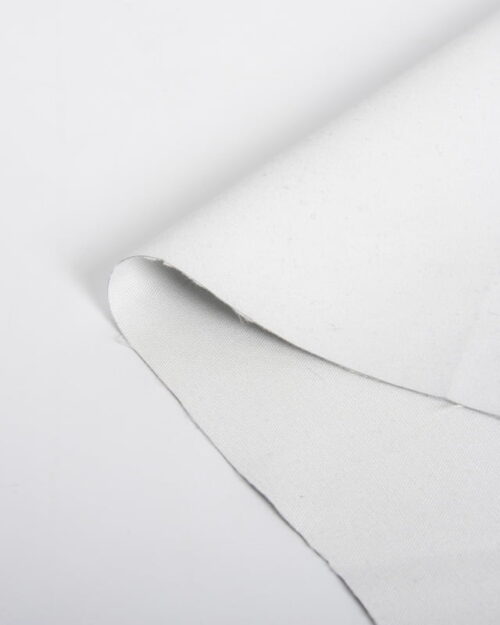
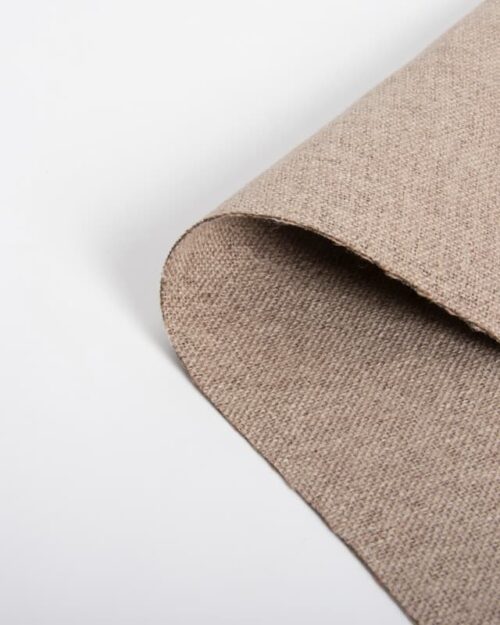
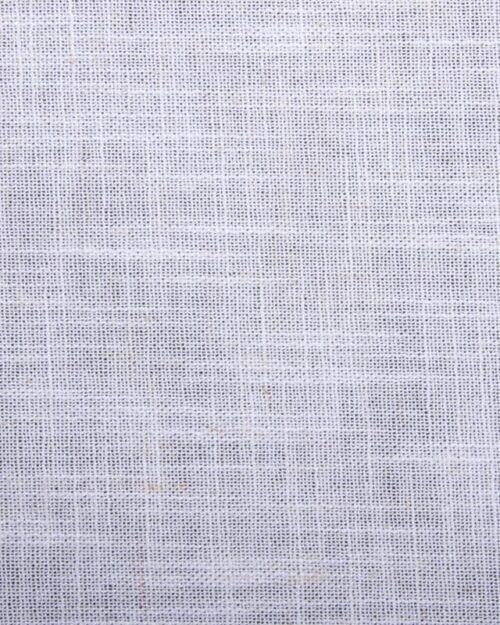
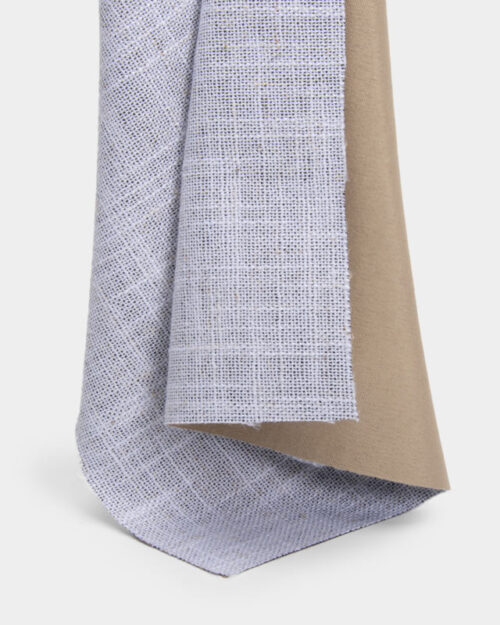
Blackout Fabric

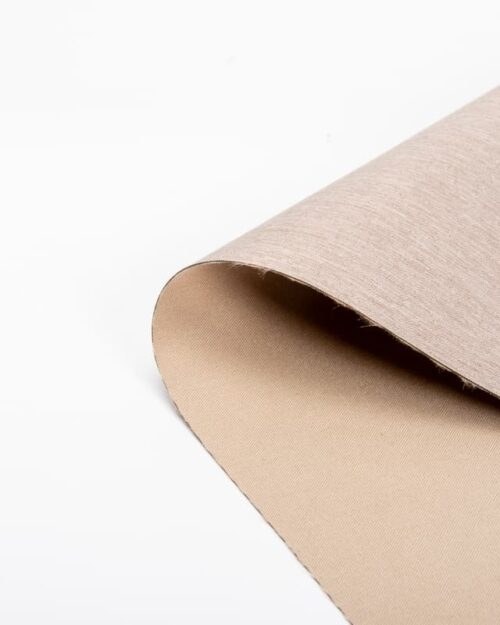
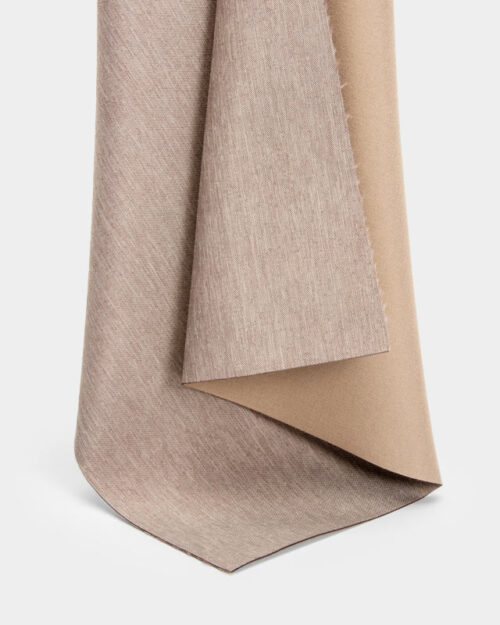
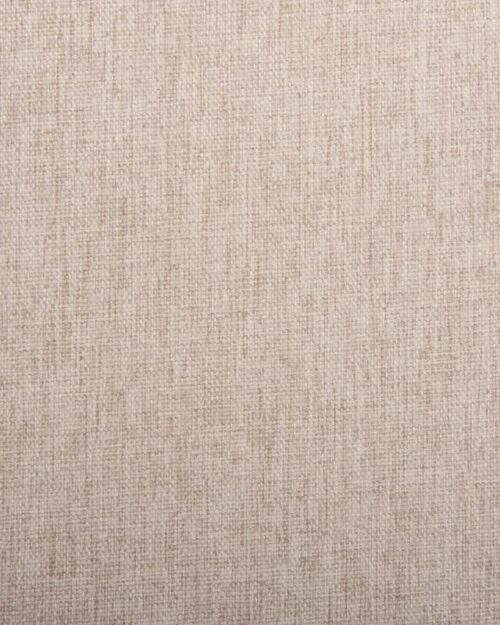
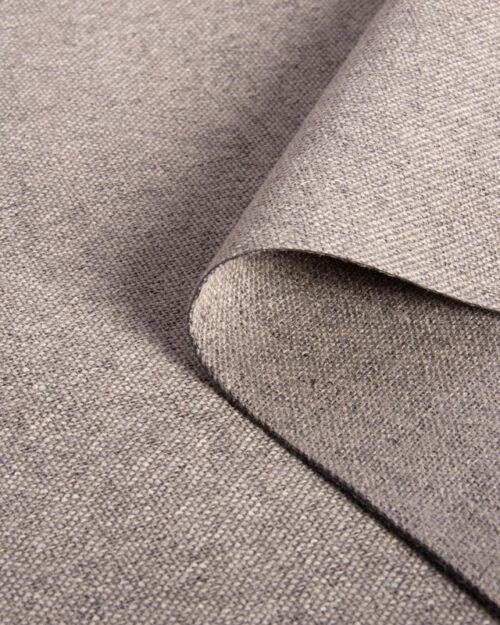
High-performance flame retardant blackout fabric with ≥99.9% light blocking, designed for hotel rooms, theaters, healthcare interiors, bedrooms, and contract curtain projects requiring privacy, darkness, and fire safety.

Filter

Showing 1–16 of 36 resultsSorted by latest

How Does Blackout Fabric Block Light?

Blackout performance depends mainly on the fabric structure. High-density woven blackout fabric uses tightly constructed yarn layers to reduce light transmission without relying heavily on surface coatings. Coated or multilayer blackout fabric adds a light-blocking layer to achieve stronger darkness and privacy. The final blackout level can also be affected by fabric color, weight, density, and installation conditions.

Blackout Fabric vs. Dimout Fabric

The main difference is the amount of light blocked. Blackout Fabric is designed to provide ≥99.9% light blocking, making it suitable for spaces where near-total darkness and maximum privacy are required. Dimout Fabric generally blocks around 85–98% of light, reducing glare while still allowing a small amount of soft ambient light into the room. Choose blackout when darkness is the priority; choose dimout when a softer balance between daylight and privacy is preferred.

Where Is Flame Retardant Blackout Fabric Used?

Flame retardant blackout fabric is commonly used for hotel guestroom curtains, bedrooms, theaters, cinemas, meeting rooms, healthcare interiors, dormitories, projection rooms, and other contract curtain projects. It is especially suitable for environments requiring strong light control, privacy, comfortable indoor lighting, and flame retardant performance.

What Flame Retardant Standards Can Blackout Fabric Meet?

Depending on the selected fabric construction and end use, BEGOODTEX flame retardant blackout fabrics can support testing to standards such as NFPA 701, CA Title 19, CAN/ULC-S109, BS 5867, DIN 4102-B1, EN 13773, NF P92-503 M1, JIS L 1091, and other project-specific flame retardant requirements. The applicable standard and corresponding test report should be confirmed for the specific fabric before ordering.



What is Inherent Flame Retardant Blackout Fabric and Dimout Fabric?

BEGOODTEX Inherent Flame Retardant blackout fabric is a type of fabric that combines permanent flame-retardant properties with blackout functionality. It is made of BEGOODTEX’s three-layer permanent flame-retardant polyester yarn (Dimout Fabric), with a blackout rate of approximately 95%. The blackout fabric coating, made of BEGOODTEX’s four-layer shading coating and flame-retardant polyester yarn, can achieve a 100% blackout rate. This fabric offers excellent permanent flame-retardant and blackout performance, effectively preventing the intrusion of sunlight and ultraviolet rays.

The blackout effect of blackout fabrics varies depending on the material used. Dimout fabrics, made from three layers of inherently flame-retardant polyester yarn, have a blackout rate of around 95%. Coated blackout fabrics, made from four layers of blackout coating and flame-retardant polyester yarn, have a blackout rate of 100%.

Flame retardant blackout fabrics are suitable for bedrooms, living rooms, home theaters, offices, and other spaces that require blackout effects. They can be used for fire resistant curtains, room dividers, exhibition displays, train compartment curtains, and more.

The blackout effect of flame retardant blackout fabrics is somewhat related to thickness. Generally, thicker fabrics provide better blackout effects.

In addition to flame retardancy and blackout effects, flame retardant blackout fabrics also offer advantages such as thermal insulation and soundproofing.

No coating and no chemicals, except for coated fabrics.

No coating, except for coated fabrics.

No, it’s not standard polyester. FR polyester is modified polyester. During the polymerization of polyethylene terephthalate (PET), organic phosphorus-based flame-retardant monomers are incorporated into the reaction system as copolymerization components. Through melt polycondensation, phosphorus atoms chemically form stable P-C bonds with benzene rings in PET molecular chains (by replacing hydrogen atoms on the aromatic rings). The modified polymer is subsequently pelletized to produce flame-retardant PET chips, where the flame retardant achieves molecular-level dispersion and becomes permanently anchored within the fiber matrix.

Yes, the yarn is spun after extrusion, then from POY to FDY or DTY.

Flame Retardant Textile Solutions for Global Projects

Stay updated on flame retardant fabrics, international textile standards, new materials and application solutions for commercial and technical projects.
邮箱订阅

Flame Retardant Specialist

Focused on flame retardant textile development since 2013.

In-House FR Lab

Supports fabric development, sample testing and internal performance checks.

Test & Document Support

Product-specific test reports available for different markets and applications.

B2B Project Supply

Samples, customization, confirmed specifications and bulk production support.